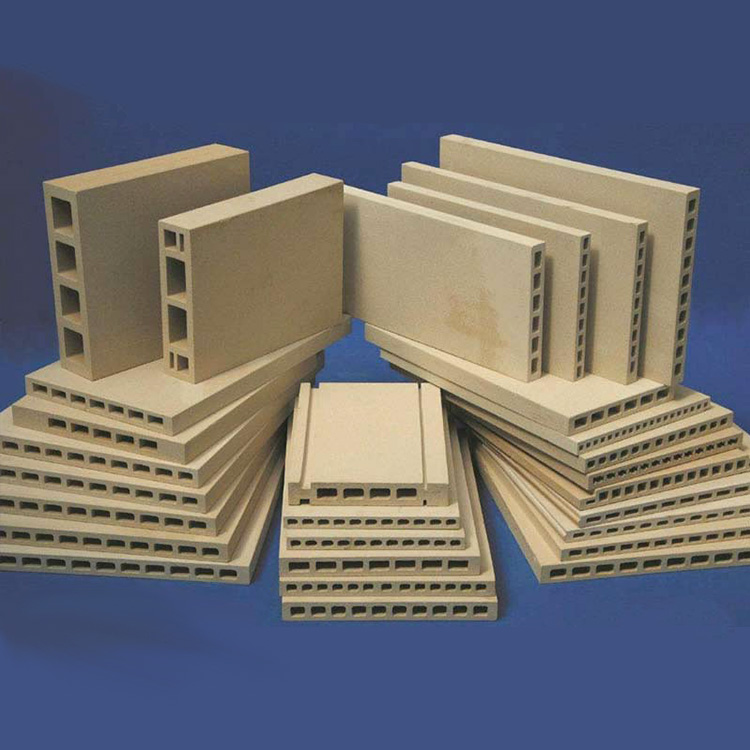
In modern heavy industries, refractory materials serve as the backbone of high-temperature processing units, ensuring structural integrity and prolonged service life under extreme thermal stress. Among them, magnesia-chrome bricks have held a pivotal position for decades. Yet, traditional magnesia-chrome bricks, including sintered and chrome-free variations, exhibit limitations—particularly in high-temperature strength and thermal stability—that restrict optimal kiln performance. Emerging since the late 1950s, direct-bonded magnesia-chrome bricks have addressed such challenges, ushering in a new era of refractory solutions that enhance both operational reliability and industrial productivity.
Conventional burnt magnesia-chrome bricks are fabricated by firing magnesium oxide (MgO) with chromium oxide (Cr2O3) and a fluxing agent such as ferric oxide (Fe2O3). These bricks utilize a sintering reaction where Fe2O3 reacts with magnesia and chromite to form a dense spinel phase (MgO·Cr2O3), lending mechanical strength and thermal resistance. However, the manufacturing involves high-temperature firing (around 1650-1750°C) consuming significant energy and prolonged time.
An alternative, direct-bond magnesia-chrome bricks (called unburnt or non-burnt bricks in some contexts), eliminate the firing step by relying on hydration and chemical bonding in the pressed brick body, making production more economical and environmentally friendly. Yet, this often compromises high-temperature performance, resulting in weaker hot strength and reduced thermal shock resistance.
| Brick Type | Production Method | High-Temperature Strength | Thermal Shock Resistance | Cost Implication |
|---|---|---|---|---|
| Sintered Magnesia-Chrome Bricks | High-temperature firing (1650-1750°C) | High (≥40 MPa at 1500°C) | Good | High due to energy consumption |
| Direct-Bonded Magnesia-Chrome Bricks (Unburnt) | No firing, chemically bonded via hydration | Moderate (≈30 MPa at 1500°C) | Fair | Lower due to simpler process |
The innovation of direct-bonded magnesia-chrome bricks emerged to reconcile the high production cost and environmental burden of sintered bricks with the inferior performance of unburnt variants. Leveraging the reaction between oxides under controlled conditions, the development focused on optimizing the bonding phase and microstructure to significantly enhance hot mechanical properties.
Core technological advances include:
Accredited data from leading manufacturers indicate direct-bonded bricks exhibit 30-35% higher hot modulus of rupture compared to traditional unburnt types, achieving values close to sintered bricks but at a fraction of processing cost and energy consumption.
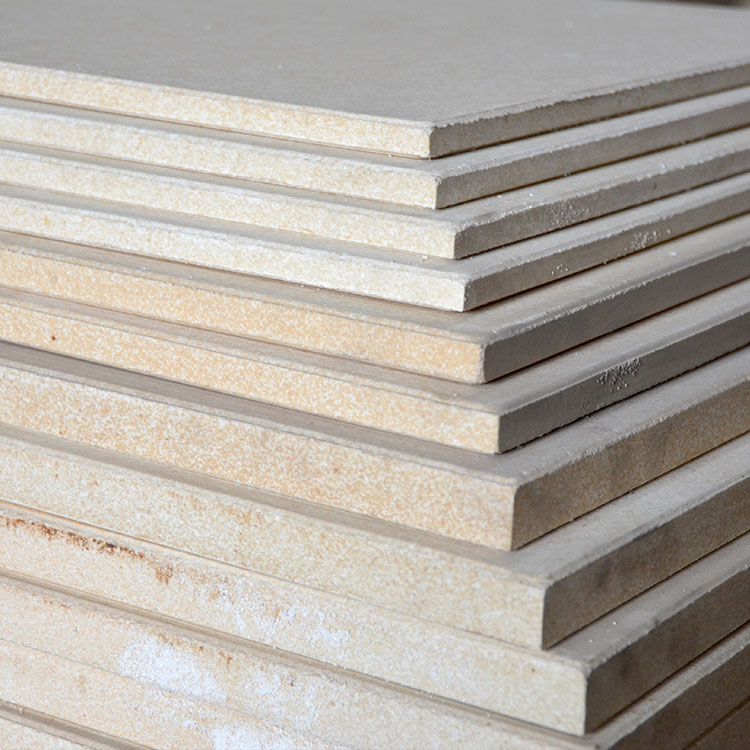
Industrial furnaces demand refractory linings that can endure cyclical heating, chemical corrosion, and mechanical wear. Direct-bonded magnesia-chrome bricks extend the typical service life of kiln linings by 20-25% relative to conventional bricks, according to field tests conducted in steel and cement production facilities.
These improvements translate directly into:
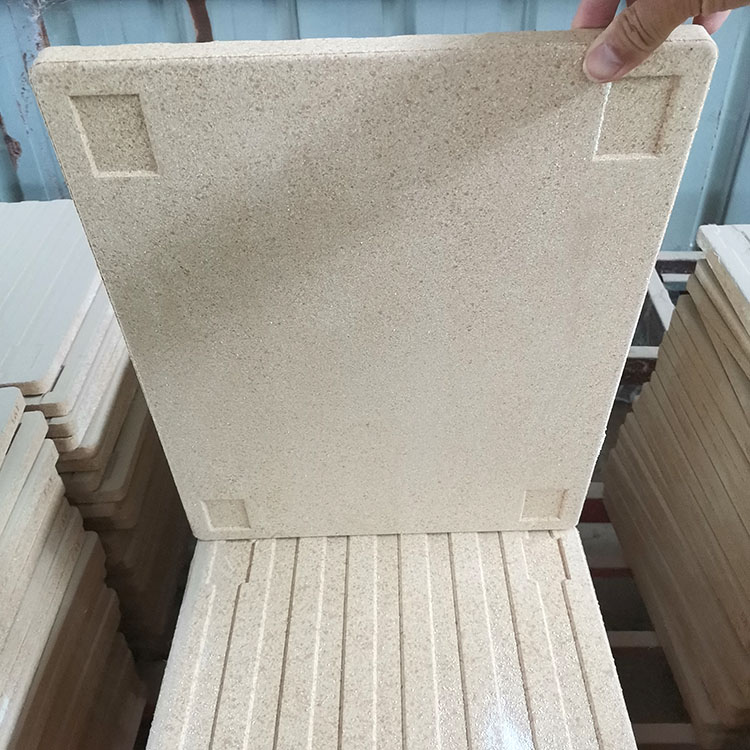
A comparative trial at a major steel plant in Europe employed direct-bonded magnesia-chrome bricks in furnace linings, monitoring over a 12-month cycle against sintered bricks. Key findings include:
| Performance Metric | Direct-Bonded Brick | Sintered Brick |
|---|---|---|
| Service Life (Months) | 15 | 18 |
| Maintenance Intervals | Extended by 20% | Standard |
| Overall Cost Reduction | 12% | — |
| Fuel Efficiency Improvement | +6% | Baseline |
Although sintered bricks slightly outrun in total lifespan, the upfront production cost and energy consumption savings with direct-bonded bricks offer compelling economic advantages, accentuated by easier installation and reduced environmental impact.