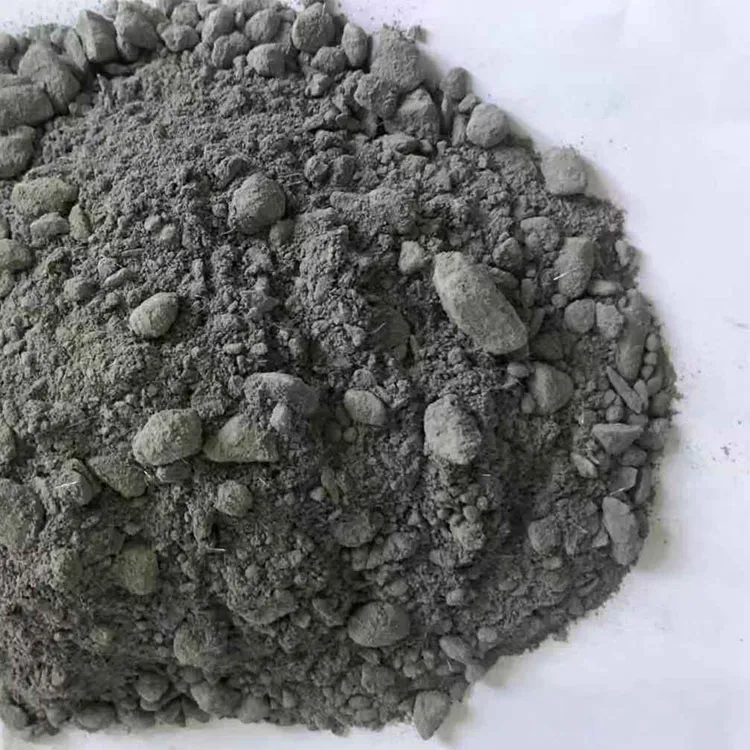
Refractory materials are indispensable in industrial manufacturing, especially within high-temperature processes such as steelmaking, cement production, and glass manufacturing. Among these, mag-chrome bricks, developed since the late 1950s, have been widely used due to their thermal stability and corrosion resistance. However, traditional mag-chrome bricks have shown limitations in withstanding extreme high temperatures over extended periods, which directly affects the longevity and performance of industrial furnaces.
Mag-chrome bricks generally fall into two key categories:
1. Sintered Mag-Chrome Bricks: Manufactured using an oxidation reaction between iron oxide and spinel phases, these bricks exhibit high density and decent high-temperature strength. However, their production process is energy-intensive and costlier.
2. Direct-Bonded (Unfired) Mag-Chrome Bricks: Produced without firing, these bricks benefit from a simpler manufacturing route and relatively lower costs. While they offer good chemical resistance, they traditionally suffer from inadequate strength at elevated temperatures, limiting their useful lifespan in industrial applications.
The unfired versions typically show initial compressive strengths around 40-60 MPa at room temperature, but these values drop significantly under operational temperatures exceeding 1600°C, leading to premature wear and operational downtime.
Developed in the late 1950s as a breakthrough in refractory technology, direct-bonded mag-chrome bricks introduced proprietary mix designs and controlled curing processes that enhanced the bonding strength of the MgO and Cr₂O₃ phases without the energy demands of high-temperature sintering.
This innovation improved high-temperature mechanical strength by approximately 30% over unfired mag-chrome bricks, with compressive strengths at 1600°C reaching values above 100 MPa. Enhanced thermal shock resistance and chemical inertness were also achieved, directly improving the operational durability inside furnaces.
| Performance Indicator | Traditional Sintered Mag-Chrome | Traditional Unfired Mag-Chrome | Direct-Bonded Mag-Chrome |
|---|---|---|---|
| Room Temp. Compressive Strength (MPa) | 120-140 | 40-60 | 80-100 |
| Compressive Strength at 1600°C (MPa) | 90-110 | 25-40 | 100-120 |
| Thermal Shock Resistance (Cycles) | 50-70 | 30-40 | 75-90 |
| Production Complexity | High Energy Consumption | Low | Moderate, Controlled Curing |
| Cost Efficiency | Medium to High | High | Optimal Balance |
Numerous industrial users have reported substantial gains after adopting direct-bonded mag-chrome bricks. For example, a leading steel producer in Europe extended their furnace lining lifespan by over 25%, reducing unscheduled shutdowns by 30%. This translated into annual savings exceeding $500,000 in maintenance costs while enabling a 12% increase in throughput.
Furthermore, improved thermal shock resistance ensures fewer cracks and reduced material degradation, which is critical for continuously operating kilns and furnaces. Enhanced chemical resistance to slag and molten metal further protects structural integrity, guaranteeing consistent thermal efficiency and safety.
The proprietary controlled curing process differentiates direct-bonded mag-chrome bricks from their predecessors. Instead of relying on traditional high-temperature sintering (above 1600°C), these bricks undergo a carefully timed chemical curing stage at moderate temperatures (400-800°C), promoting strong MgO-Cr₂O₃ bonding with minimal energy consumption.
This not only reduces manufacturing costs but also lowers carbon emissions, aligning with increasing industrial sustainability targets. The resulting bricks combine the robustness of sintered types with the cost-competitiveness of unfired ones.
Integrating direct-bonded mag-chrome bricks into your refractory material portfolio is instrumental in elevating furnace performance and securing a competitive edge in today's demanding manufacturing landscape.