
Refractory materials underpin the backbone of high-temperature industrial processes, notably within furnaces and kilns essential for metallurgy, ceramics, and chemical manufacturing. Since the late 1950s, direct bonded magnesia-chrome (Mg-Cr) bricks have pioneered a transformative approach to refractory technology, addressing the limitations faced by traditional magnesia-chrome variations and reshaping industry standards for durability and performance.
Traditional magnesia-chrome bricks predominantly fall into two categories: the sintered Mg-Cr bricks produced through the high-temperature reaction of magnesia and chrome ore (forming spinel structures), and the chemically bonded or "dead-burned" variety, which lacks sintering. While sintered Mg-Cr bricks exhibit excellent high-temperature strength and thermal stability, their manufacturing process is energy-intensive and costly. Conversely, chemically bonded bricks offer reduced production costs but suffer from insufficient hot strength and are prone to degradation under aggressive furnace environments.
This discrepancy created a critical demand for innovation—material solutions that could balance superior thermal-mechanical properties with economic viability.
Born out of necessity in the late 1950s, direct bonded magnesia-chrome bricks introduced a method leveraging the inherent self-fusing spinel formation at operational kiln temperatures without the extensive energy demands of traditional sintering. The technology capitalizes on the in-situ reaction between magnesia and chrome ore enhanced by precise oxide chemistry control, particularly optimizing chromium oxide (Cr₂O₃) and iron oxide (Fe₂O₃) ratios to stimulate strong spinel bond formation.
Expertise in mineralogy coupled with process engineering culminated in bricks that achieve robust bonding directly during firing in service, offering notable improvements in strength and microstructural stability at temperatures exceeding 1600°C.
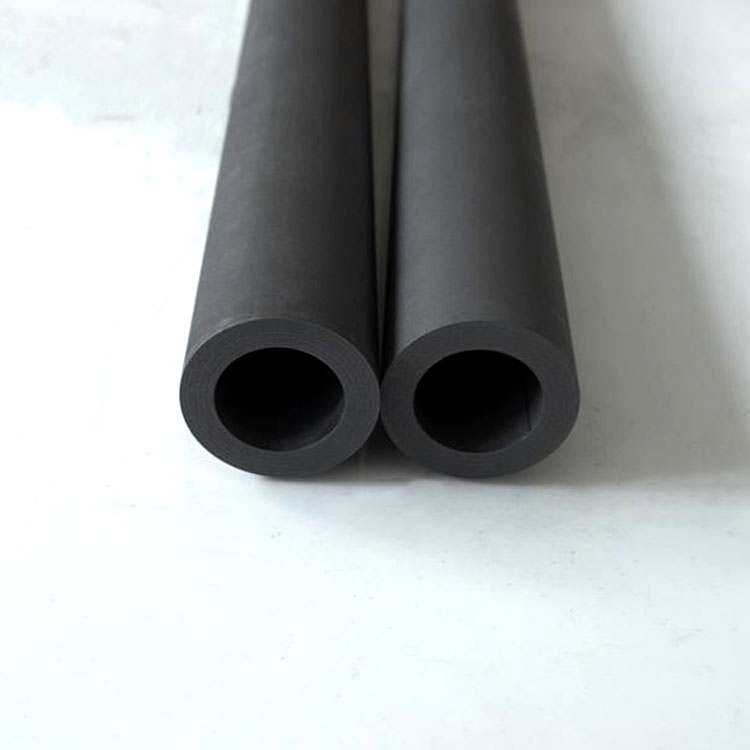
The hallmark of direct bonded magnesia-chrome bricks lies in their enhanced hot modulus of rupture (HMOR) and thermal shock resistance. Empirical data indicates that these bricks typically demonstrate an HMOR increase of approximately 25–35% compared to chemically bonded bricks, reaching values upwards of 18–22 MPa at 1600°C. Additionally, thermal expansion is finely controlled to reduce cracking risks during heating cycles.
The spinel phase growth within the brick matrix acts not only as a mechanical binder but also as an effective barrier to corrosion by slag and acidic environments, prolonging service life by up to 30% compared to traditional options.
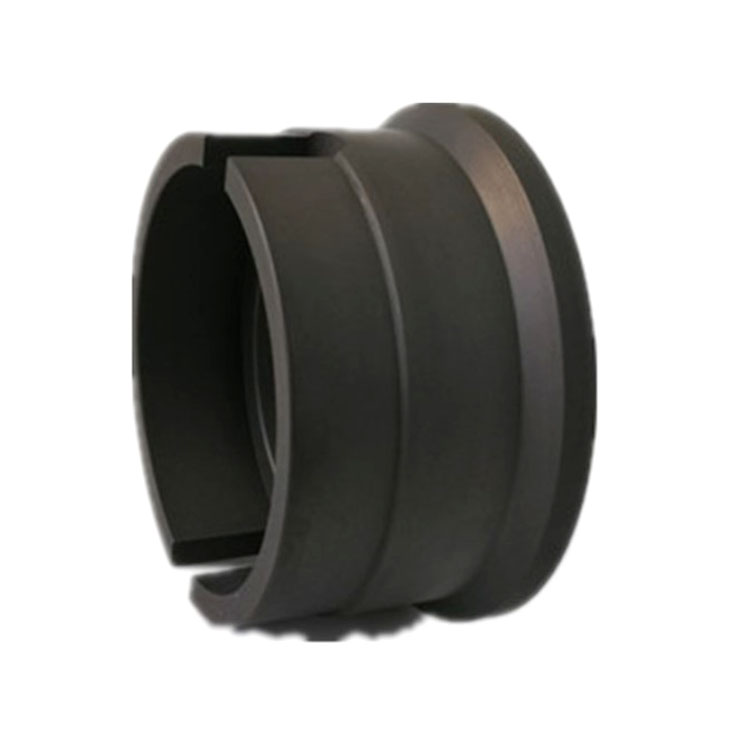
Real-world deployment of direct bonded magnesia-chrome bricks within steel ladle linings and rotary kiln furnaces has validated their superior performance. For instance, a leading steel manufacturer reported a 20% improvement in furnace campaign life and a marked reduction in unscheduled downtime after transitioning to these bricks.
Enhanced thermomechanical properties translated directly into lower maintenance costs and optimized energy consumption, thus increasing overall enterprise production efficiency. Beyond metallurgy, the ceramics and cement sectors have also leveraged these bricks for their high corrosion resistance and dimensional stability.
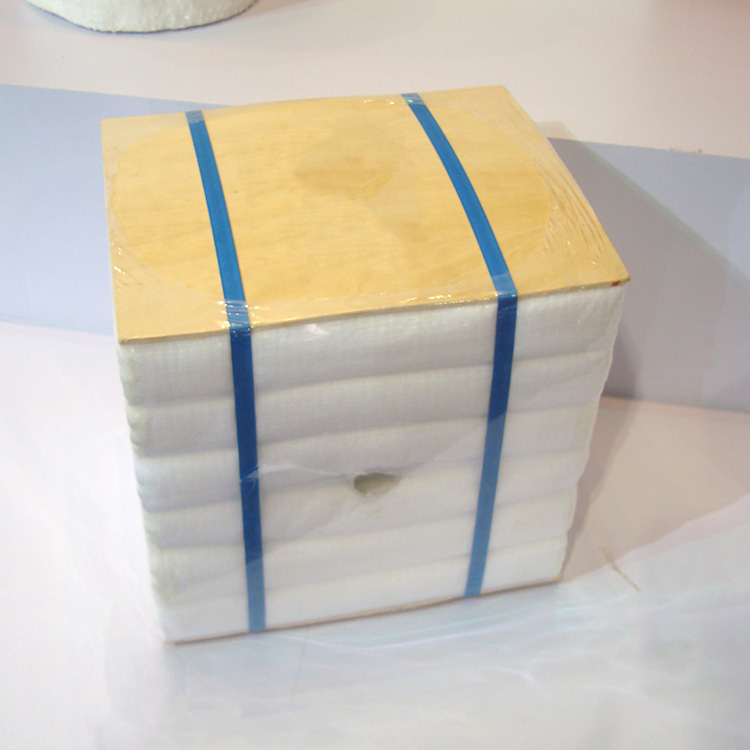
Ready to enhance your industrial furnace performance with cutting-edge refractory solutions? Discover the benefits of Direct Bonded Magnesia-Chrome Bricks today and elevate your production efficiency to new heights.




