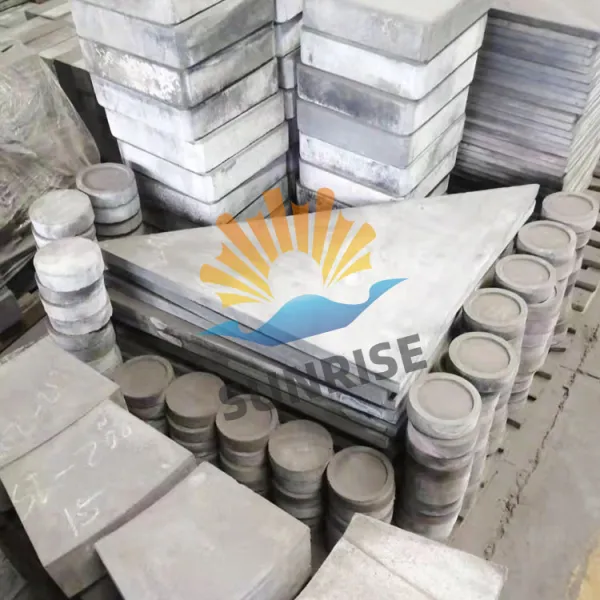
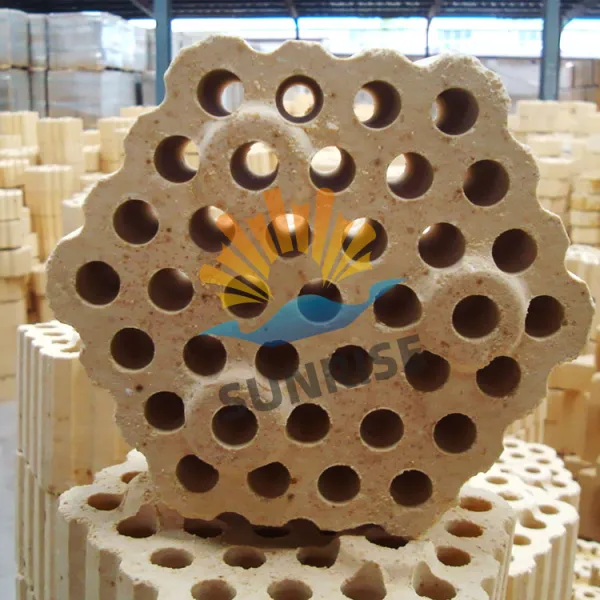
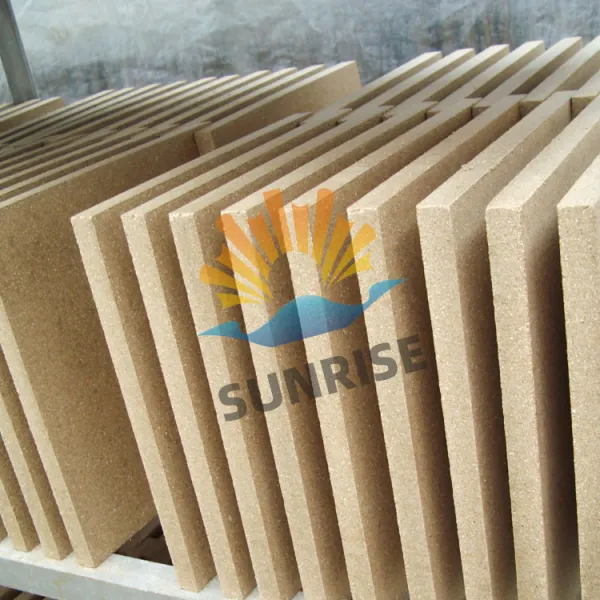
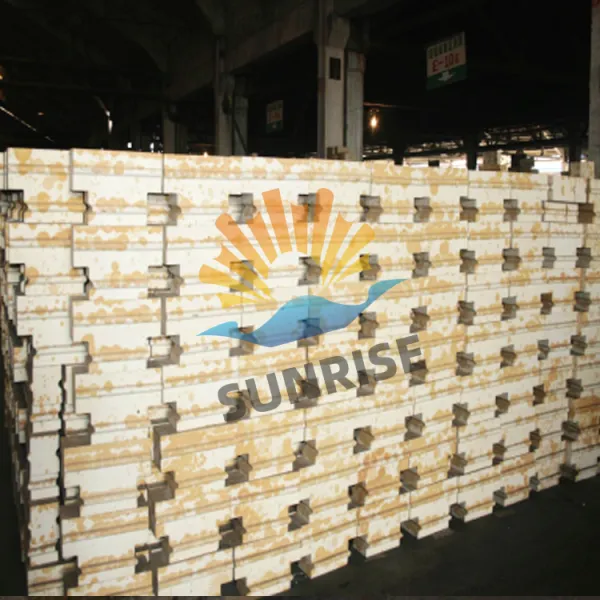
In modern steel manufacturing, high-efficiency refractory materials play a pivotal role in optimizing furnace performance and reducing operational costs. Thermal conductive silica bricks, characterized by their unique flaky quartz-based silica structure, have emerged as the leading choice for high-temperature zones such as hot blast stoves.
This article presents a detailed case study of a steel mill that successfully deployed these advanced silica bricks in their hot blast furnace, leading to a remarkable 15% reduction in energy consumption. Through data-backed analysis and technical insights, we unveil how this innovative material outperforms traditional fire clay and high-alumina bricks, providing long-term stability and efficiency.
The hot blast stove operates under extreme temperatures, often exceeding 1300°C, requiring refractory materials with superior thermal conductivity and resistance to thermal shock. Traditional fire clay and high-alumina bricks, while historically common, exhibit limitations such as lower thermal conduction and increased wear rates.
Thermal conductive silica bricks consist primarily of flaky quartz, granting them a distinctive silicon-based matrix. This structure enables outstanding heat transfer efficiency, accelerating furnace warm-up times and maintaining stable operating temperatures. Over the last decade, industry trend analyses show a steady replacement rate of traditional bricks with silica bricks in steel plants worldwide – a shift driven by fuel cost pressures and stringent environmental regulations.
The mechanism behind the elevated performance of thermal conductive silica bricks lies in their microstructure. Their flaky quartz phase aligns to facilitate rapid heat flow, reducing temperature gradients within the furnace lining.
Compared to fire clay bricks, silica bricks demonstrate:
| Feature | Thermal Conductive Silica Brick | Fire Clay / High-Alumina Brick |
|---|---|---|
| Thermal Conductivity (W/m·K) | 2.4 – 2.8 | 1.0 – 1.4 |
| Maximum Service Temperature (°C) | >1400 | 1200 – 1350 |
| Thermal Shock Resistance | Excellent | Moderate |
| Average Service Life (years) | 5 – 7 | 3 – 5 |
Located in the industrial heartland, a mid-sized steel mill incorporated thermal conductive silica bricks during its hot blast stove refurbishment in 2022. Before replacement, the plant's stoves exhibited typical fuel consumption rates averaging 1.8 Gcal/ton of hot metal.
Post-installation, careful operational monitoring revealed:
The switch to thermal conductive silica bricks contributed to over $500,000 in annual fuel cost savings and reduced CO₂ emissions significantly. The steel mill’s technical manager highlighted the material’s role in enhancing process reliability and reducing maintenance downtime.
This real-life example underscores the commercial advantage of selecting silica bricks for high-temperature steelmaking applications.
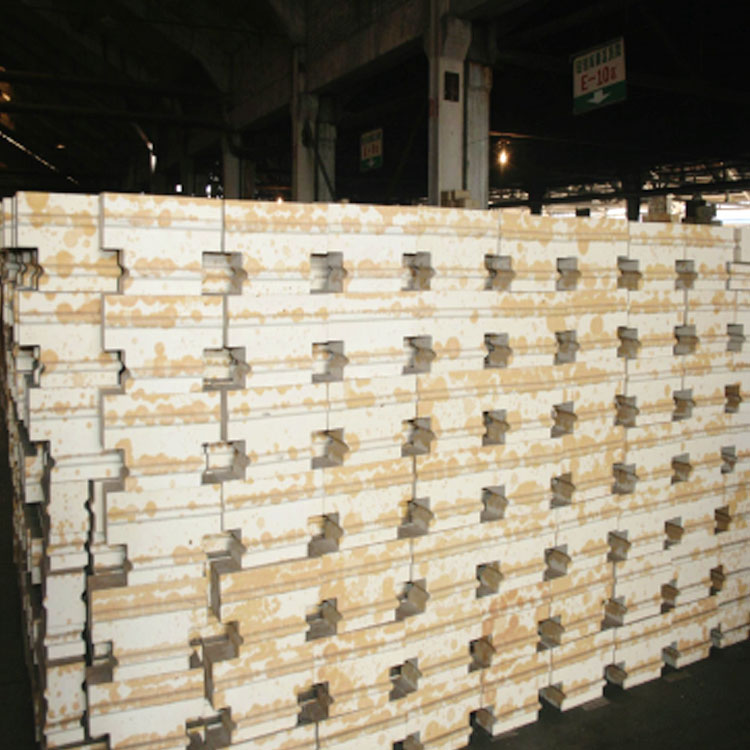
For steel producers aiming to optimize performance amid rising energy costs and environmental scrutiny, selecting the right refractory lining is crucial. Thermal conductive silica bricks offer:
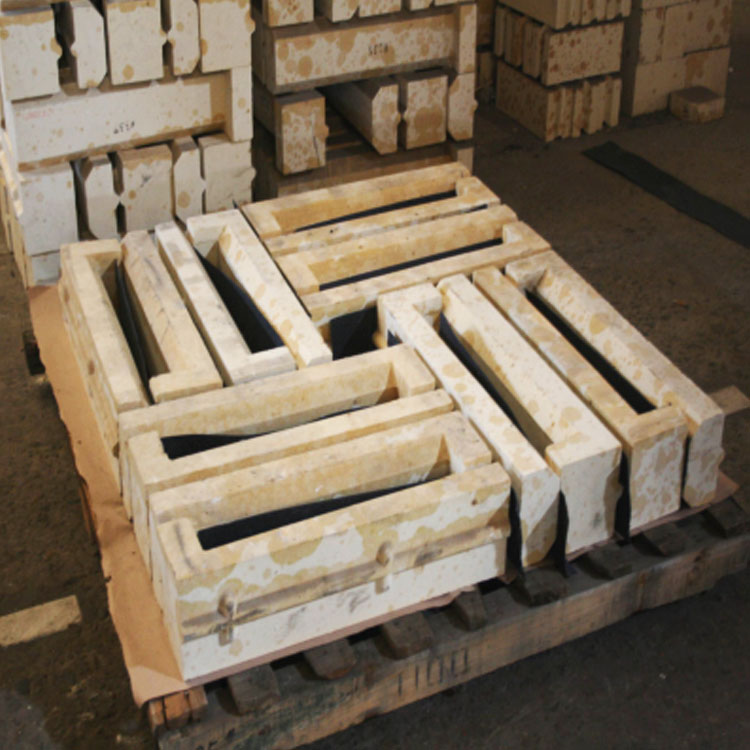
For industrial managers and procurement specialists evaluating upgrade paths, the tangible benefits established by this case study create a compelling argument for thermal conductive silica bricks as the go-to refractory solution in hot blast stove applications.
Curious about how thermal conductive silica bricks can transform your steel production and cut energy costs? Our experts are ready to provide tailored advice, technical specifications, and pricing details to support your decision process.
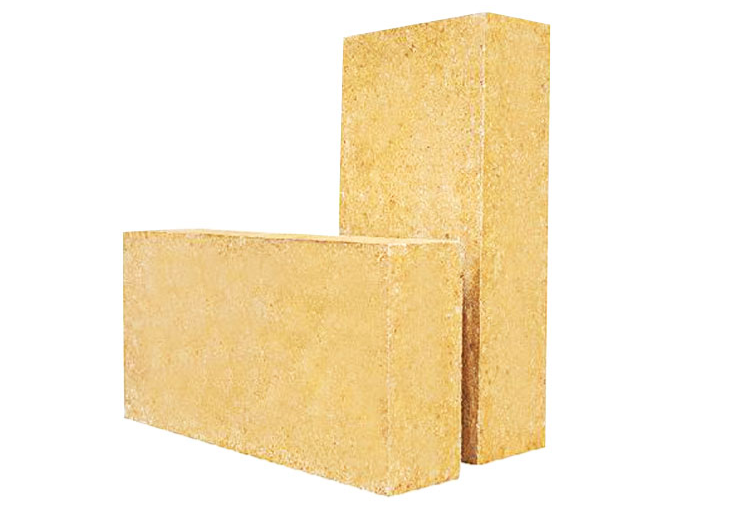
Have questions about refractory materials or want to share your experience? Leave a comment below or contact our team to engage in a discussion about optimizing steel furnace performance.