In the competitive landscape of iron and steel production, every component matters. Nowhere is this truer than in the heart of your blast furnace system—the hot blast stove. As modern steelmakers push for higher temperatures and greater energy efficiency, a quiet revolution has been taking place in refractory materials. Let's explore why conductive silica bricks are rapidly becoming the material of choice for forward-thinking metallurgical engineers worldwide.
Today's blast furnaces operate under extreme conditions that would have been unimaginable just a decade ago. With blast temperatures routinely exceeding 1300°C (2372°F) and operational cycles stretching into years rather than months, traditional refractory materials are struggling to keep pace. According to a 2023 report by the International Iron and Steel Institute, energy consumption in blast furnace operations accounts for approximately 60% of total steelmaking energy use, making thermal efficiency a critical factor in overall profitability.
Industry Challenge:
A leading European steel producer recently reported that their traditional high-alumina brick linings required complete replacement every 18-24 months, resulting in production downtime costs exceeding €400,000 per outage.
This demanding environment has created an urgent need for advanced refractory solutions. Enter conductive silica bricks—a material that's fundamentally changing how we approach hot blast stove design and maintenance.
Conductive silica bricks represent a significant advancement in refractory technology. These specialized siliceous refractory products, primarily composed of flake quartz, offer a unique combination of properties that address the specific challenges of hot blast stove environments:

The secret to the exceptional performance of conductive silica bricks lies in their unique microstructure. The flake quartz crystals create a continuous thermal pathway through the material, significantly enhancing heat transfer efficiency. This structure allows for more uniform temperature distribution across the stove lining, reducing hot spots and thermal stress that lead to premature failure.
| Refractory Type | Max Service Temp (°C) | Thermal Conductivity (W/m·K) | Typical Service Life (Years) |
|---|---|---|---|
| Clay Bricks | 1250-1350 | 1.8-2.2 | 1-2 |
| High-Alumina Bricks | 1450-1550 | 2.4-2.8 | 2-3 |
| Conductive Silica Bricks | 1600+ | 2.5-3.5 | 4-6 |
The transition from traditional refractories to conductive silica bricks isn't merely a technological upgrade—it's an economic necessity. As energy costs continue to rise and environmental regulations become more stringent, steel producers are under increasing pressure to optimize both efficiency and sustainability.
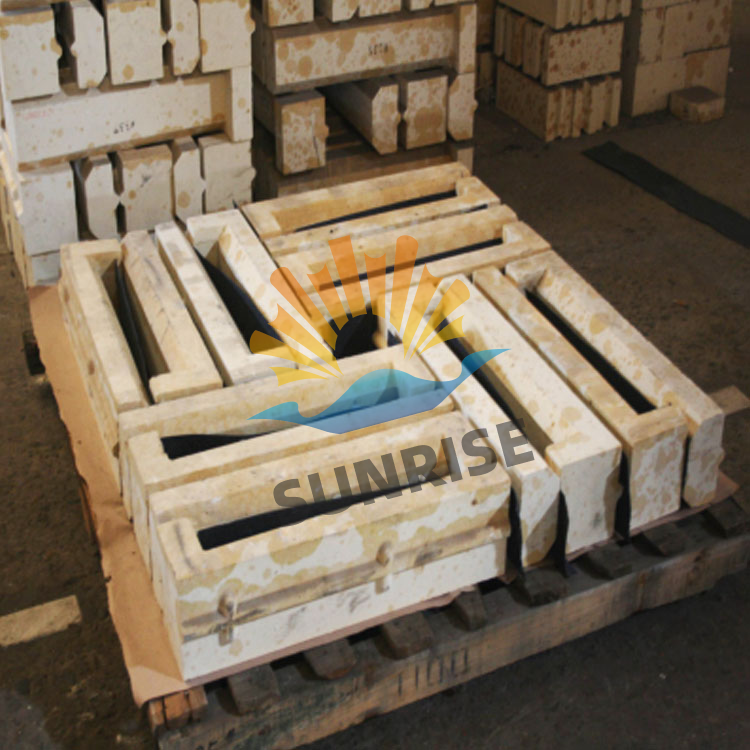
According to case studies compiled by the Refractory Manufacturers Association, steel producers that have switched to conductive silica bricks in their hot blast stoves have reported:
Energy Savings
Typical reductions of 8-12% in fuel consumption for hot blast generation, translating to annual savings of $150,000-$300,000 per stove.
Extended Service Life
2-3x longer operational lifespan compared to traditional materials, reducing maintenance costs and production downtime.
Increased Productivity
More stable blast temperatures allowing for higher furnace productivity and improved steel quality consistency.
The theoretical benefits of conductive silica bricks are impressive, but real-world applications tell the true story of their impact. Let's examine how leading steel producers have transformed their operations through material selection.
A major steel producer in China replaced traditional high-alumina bricks with Sunrise conductive silica bricks during a scheduled maintenance outage. The results were striking:
"The transition to conductive silica bricks was one of the best technical decisions we've made in recent years. The energy savings alone paid for the upgrade within 14 months." — Chief Metallurgical Engineer, Beijing Iron & Steel Group
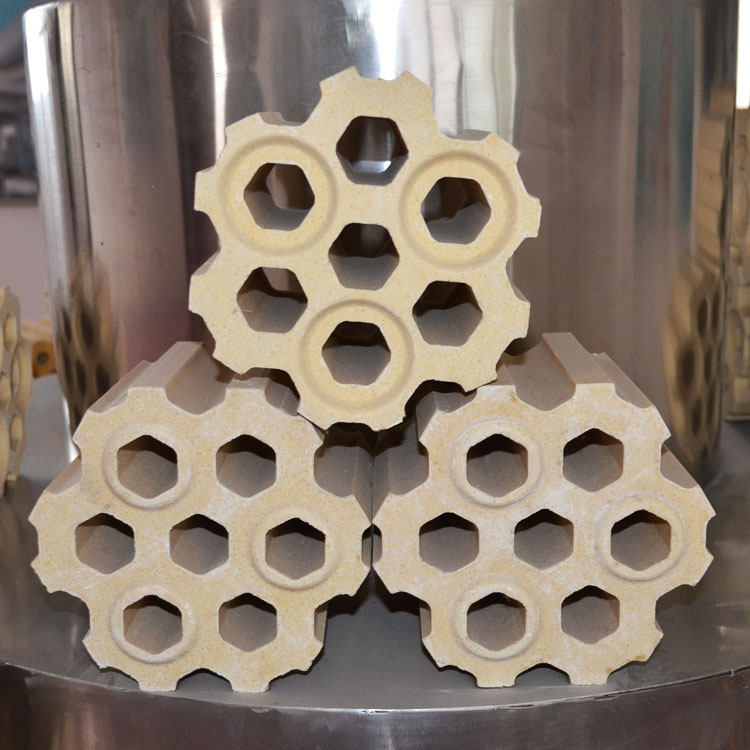
While the benefits of conductive silica bricks are clear, successful implementation requires careful planning and consideration. When evaluating whether to upgrade your hot blast stove refractories, key factors to assess include:
Take our quick assessment to determine potential energy savings and performance improvements with conductive silica brick technology.
Get Your Free Efficiency AnalysisAs steel producers face increasing pressure to improve efficiency, reduce environmental impact, and enhance profitability, material selection becomes a critical strategic decision. Conductive silica bricks represent not just an incremental improvement but a fundamental shift in how we approach high-temperature industrial processes. The question isn't whether to make the transition, but how soon you can start realizing the benefits for your operation.
Every day of operation with outdated refractory materials represents missed opportunities for energy savings and performance improvement. The technology exists today to transform your hot blast stove from a necessary utility into a competitive advantage. The leaders in the steel industry are already making this transition—will you join them?

 165
|
165
|
 Vermiculite insulation boards
Aluminum industry energy conservation
High - temperature purification materials
Erosion - resistant insulation materials
Extension of aluminum cell life
Vermiculite insulation boards
Aluminum industry energy conservation
High - temperature purification materials
Erosion - resistant insulation materials
Extension of aluminum cell life
 33
|
coke oven silica bricks
high silica content
refractory performance
thermal shock stability
Sunrise silica bricks
33
|
coke oven silica bricks
high silica content
refractory performance
thermal shock stability
Sunrise silica bricks
 493
|
vermiculite insulation board
electrolytic aluminum cell corrosion resistance
high-temperature insulation materials
fluoride corrosion protection
aluminum industry energy saving
213
|
vermiculite insulation board
aluminum cell durability
electrolytic aluminum process
high-temperature insulation material
cryolite resistance
493
|
vermiculite insulation board
electrolytic aluminum cell corrosion resistance
high-temperature insulation materials
fluoride corrosion protection
aluminum industry energy saving
213
|
vermiculite insulation board
aluminum cell durability
electrolytic aluminum process
high-temperature insulation material
cryolite resistance
 258
|
Vermiculite insulation boards
Aluminum industry energy saving
High - performance insulation materials
Extended aluminum cell life
Aluminum industry sustainable development
258
|
Vermiculite insulation boards
Aluminum industry energy saving
High - performance insulation materials
Extended aluminum cell life
Aluminum industry sustainable development