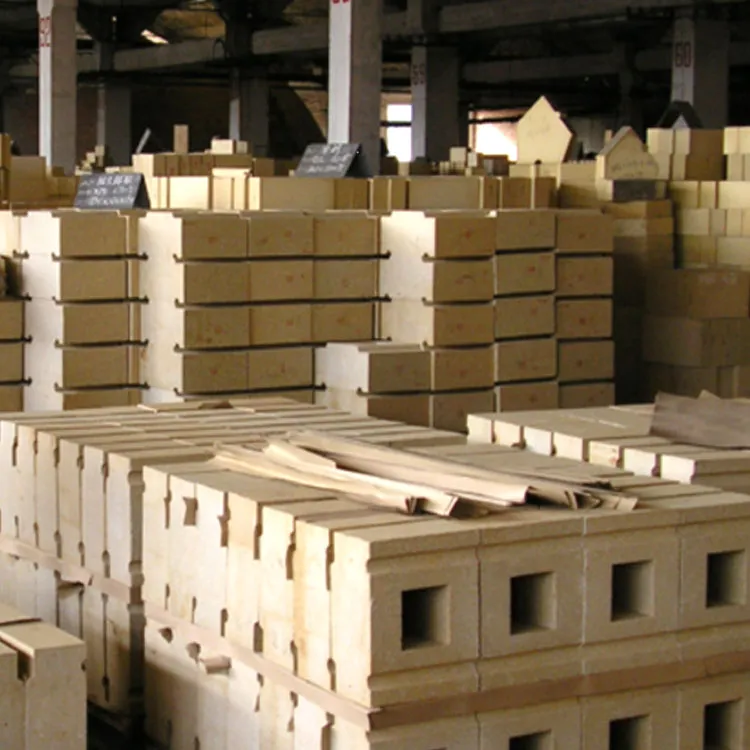
In the high - temperature industrial field, the choice of refractory materials deeply affects the energy efficiency and operating costs of enterprises. Traditional silica bricks have long been a mainstay in this field, but with the continuous development of technology, high thermal conductivity silica bricks have emerged as a new option, bringing potential for significant performance improvements.
At the microscopic level, high thermal conductivity silica bricks have smaller and more uniformly distributed pores compared to traditional silica bricks. For instance, under 20 - fold magnification, the pore diameter of traditional silica bricks is generally between 1 - 2 mm, and the distribution is uneven, some areas are densely porous while others have fewer pores. In contrast, high thermal conductivity silica bricks have a pore diameter of only about 0.2 - 0.5 mm, and the pores are evenly distributed throughout the material. This structural difference provides a physical basis for the difference in thermal conductivity between the two.
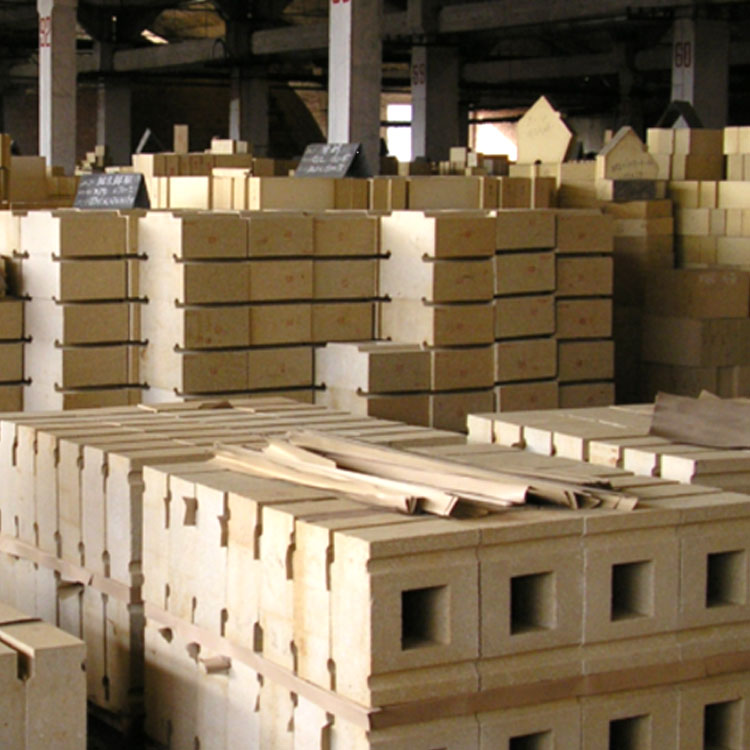
Heat transfer mainly includes conduction, convection, and radiation. In the pores of silica bricks, heat transfer is affected by the porosity and pore structure. In traditional silica bricks, the large and unevenly distributed pores easily form heat convection paths, which increases heat loss during heat transfer. On the contrary, the small and evenly distributed pores in high thermal conductivity silica bricks can effectively reduce heat convection and enhance heat conduction, because the smaller pores increase the probability of phonon collisions and enhance the transfer of heat energy. Therefore, under the same porosity, high thermal conductivity silica bricks can achieve superior thermal conductivity performance.
The high thermal conductivity performance of high thermal conductivity silica bricks brings significant benefits to practical applications. In many high - temperature industrial production processes, such as steel smelting and glass manufacturing, efficient heat transfer can improve the heating rate of the equipment and reduce the heating time, thereby improving production efficiency. At the same time, because high - efficiency heat transfer can make full use of heat energy, it can reduce energy consumption and thus reduce operating costs. For example, a steel plant replaced traditional silica bricks with high thermal conductivity silica bricks, and the energy consumption was reduced by about 15%, and the production efficiency was increased by about 10%.
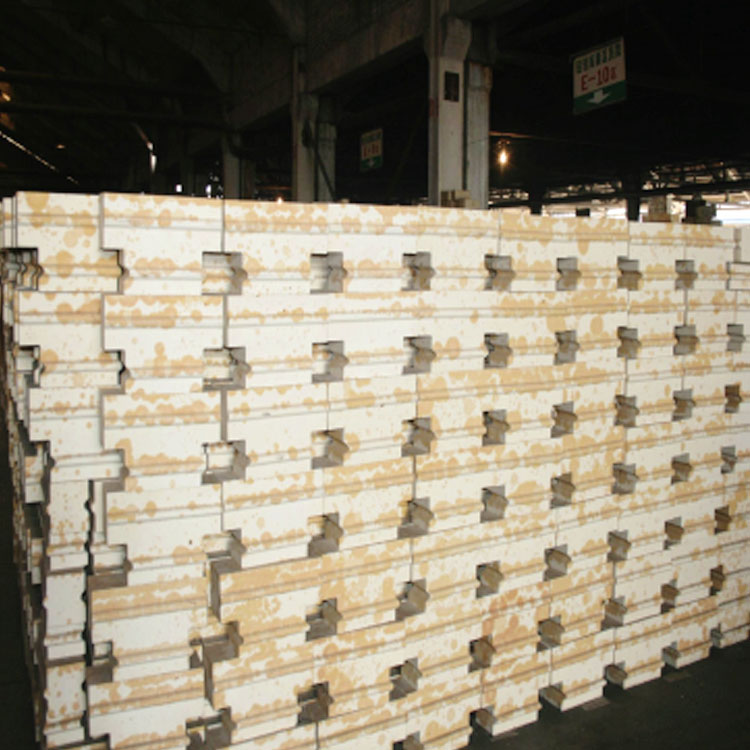
Many customers have already experienced the advantages of high thermal conductivity silica bricks. A glass manufacturing enterprise was facing the problem of high energy consumption and low production efficiency due to the use of traditional silica bricks. After replacing them with high thermal conductivity silica bricks, the overall production cost was significantly reduced, and the quality of the glass products was improved. The customer feedback that high thermal conductivity silica bricks are a reliable choice for upgrading high - temperature equipment.
Are your high - temperature equipment affected by insufficient thermal conductivity, resulting in low efficiency and high energy consumption? If so, high thermal conductivity silica bricks may be the solution you are looking for. By optimizing the pore structure, high thermal conductivity silica bricks can effectively improve thermal conductivity and bring you more efficient and cost - effective production.
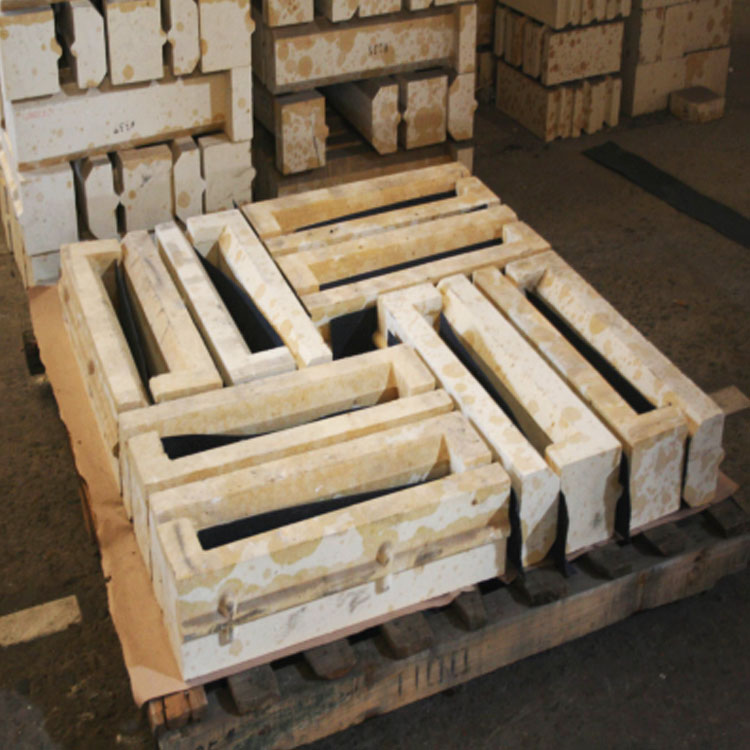
In conclusion, high thermal conductivity silica bricks, through structural optimization, have significant advantages over traditional silica bricks in terms of thermal conductivity. They can help enterprises in the high - temperature industrial field improve energy efficiency, reduce operating costs, and enhance competitiveness.
Choose high thermal conductivity silica bricks, let every degree of heat be efficiently transferred
 292
|
292
|
 silicon brick for hot blast stove
hot blast stove refractory brick
silicon brick dimensional tolerance
hot blast stove installation standard
refractory brick thermal conductivity
silicon brick for hot blast stove
hot blast stove refractory brick
silicon brick dimensional tolerance
hot blast stove installation standard
refractory brick thermal conductivity
 56
|
direct bonded magnesia-chrome bricks
refractory material selection
industrial kiln refractory bricks
magnesia-chrome brick performance
refractory material innovation
56
|
direct bonded magnesia-chrome bricks
refractory material selection
industrial kiln refractory bricks
magnesia-chrome brick performance
refractory material innovation
 418
|
ordinary magnesia-chrome brick
refractory material for steelmaking
thermal shock resistant brick
corrosion resistant refractory
magnesia chrome brick performance
418
|
ordinary magnesia-chrome brick
refractory material for steelmaking
thermal shock resistant brick
corrosion resistant refractory
magnesia chrome brick performance
 157
|
ordinary magnesium chrome brick
refractory lining solutions
thermal shock resistance
slag resistance
glass furnace refractory materials
157
|
ordinary magnesium chrome brick
refractory lining solutions
thermal shock resistance
slag resistance
glass furnace refractory materials
 463
|
ordinary magnesium-chromium bricks
high-temperature refractory materials
steel industry refractory bricks
thermal shock stability
slag resistance
463
|
ordinary magnesium-chromium bricks
high-temperature refractory materials
steel industry refractory bricks
thermal shock stability
slag resistance


.jpg?x-oss-process=image/resize,m_fill,h_200,w_200/format,webp)