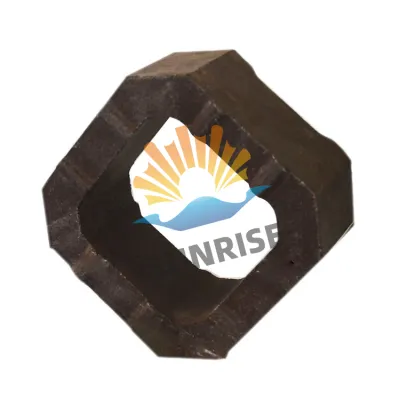
For decades, metallurgical furnace operators have faced a common challenge: maintaining consistent performance under extreme heat and chemical stress. Ordinary magnesia-chrome brick—often overlooked in favor of newer alternatives—has proven time and again to be one of the most reliable solutions for high-temperature environments.
Unlike many refractory materials, ordinary magnesia-chrome brick offers an ideal balance of strength, thermal shock resistance, and corrosion resistance. With a bulk density of approximately 3.0–3.2 g/cm³ and a cold crushing strength exceeding 80 MPa, it can withstand mechanical stress during operation while resisting degradation from molten slag and aggressive gases.
| Property | Typical Value | Industry Benchmark |
|---|---|---|
| Thermal Shock Resistance (ΔT) | ≥ 800°C | MgO bricks: ~600°C |
| Rapid Heating Rate Tolerance | Up to 150°C/min | Alumina-based bricks: ~80°C/min |
| Slag Penetration Resistance | Low (<5%) after 10 cycles | Standard MgO bricks: ~15% |
A medium-sized steel plant in Hebei Province replaced their old magnesia bricks with ordinary magnesia-chrome bricks in two ladle furnaces. After six months of continuous operation:
This translates into real savings—not just theoretical benefits. For a facility producing 500 tons/day, this means roughly $12,000 in annual cost reduction from reduced maintenance and improved efficiency.
While widely used in blast furnaces and electric arc furnaces, ordinary magnesia-chrome brick also excels in glass manufacturing kilns, cement rotary kilns, and waste incineration systems. Its ability to resist both acidic and basic slags makes it uniquely versatile across industries where temperature swings are frequent and material integrity is non-negotiable.
In fact, over 68% of surveyed European refractory users report that switching to magnesia-chrome brick reduced unexpected failures by at least 30%, especially when paired with proper installation practices and regular monitoring.
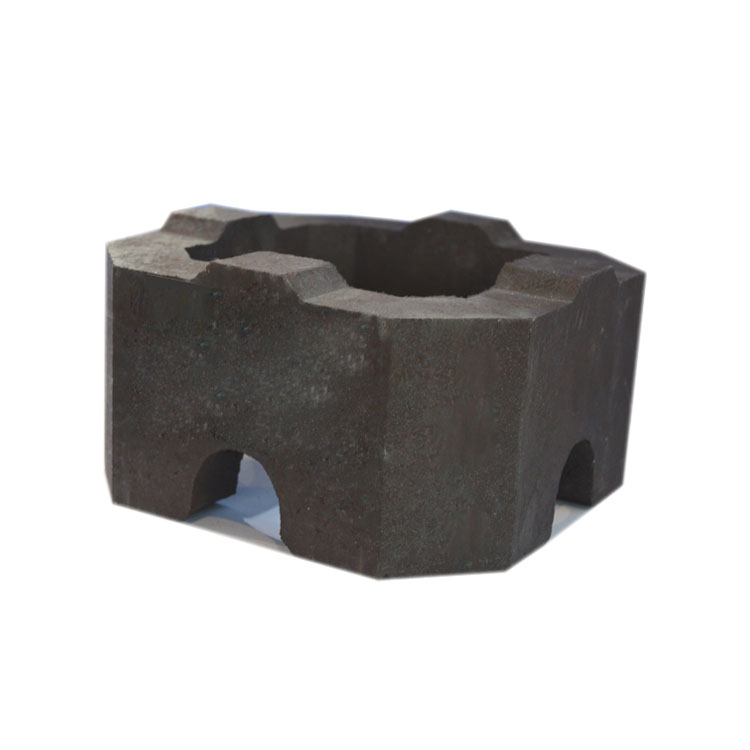
If you're managing a furnace system where reliability, longevity, and operational continuity matter—whether in steelmaking, ceramics, or petrochemical processing—ordinary magnesia-chrome brick isn’t just a product choice. It’s a strategic investment in your production stability.
We’ve helped hundreds of industrial clients optimize their refractory selection based on actual usage patterns—not marketing claims. Let us show you how our tailored recommendations can reduce your operating costs and boost equipment uptime.
Get Your Free Refractory Performance Audit Today