In the ceramic industry, kilns play a crucial role in the production process. The performance of refractory materials directly affects the efficiency, energy consumption, and service life of kilns. Ceramic kilns operate under extremely harsh conditions, including high temperatures, strong chemical corrosion, and thermal shock. Common refractory materials often face problems such as cracking, erosion, and reduced thermal conductivity, which lead to frequent replacements and increased production costs. For example, traditional clay - based refractory bricks may lose their structural integrity after a few cycles of high - temperature operation, resulting in kiln downtime and reduced product quality.
Silicon nitride - bonded silicon carbide bricks have significantly higher strength compared to ordinary refractory materials. Their high - density structure allows them to withstand greater mechanical stress during the kiln operation. In contrast, common refractory bricks may break or deform under pressure, which can disrupt the normal operation of the kiln. Laboratory tests show that the compressive strength of silicon nitride - bonded silicon carbide bricks can reach up to 300 MPa, while that of ordinary clay bricks is only about 50 - 100 MPa.
These bricks have excellent thermal conductivity, which is a key factor in improving the energy efficiency of ceramic kilns. High thermal conductivity ensures uniform heat distribution in the kiln, reducing the temperature difference between different parts of the kiln and promoting more efficient firing of ceramics. Compared with traditional refractory materials with low thermal conductivity, silicon nitride - bonded silicon carbide bricks can save up to 20% of energy consumption in some cases. 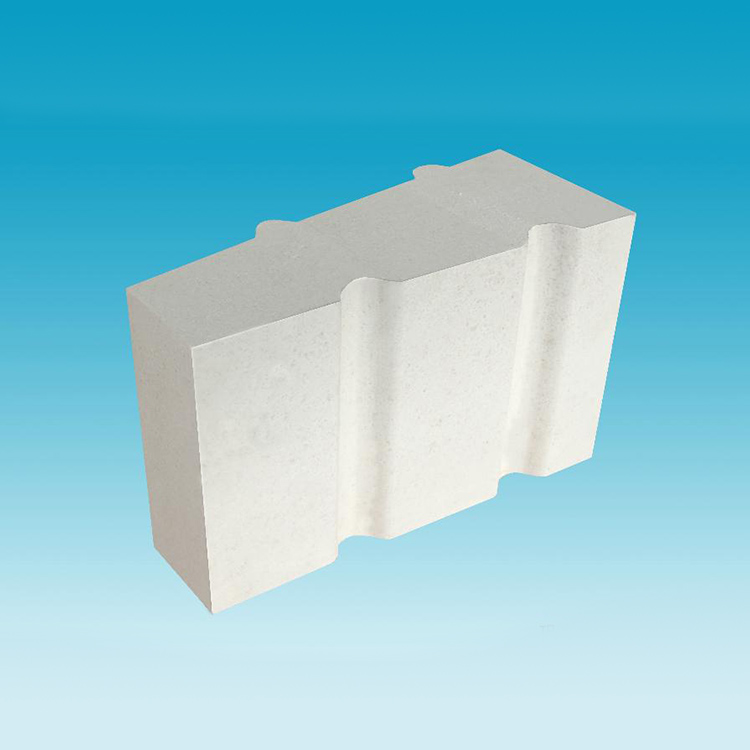
The ability to withstand rapid temperature changes is another important advantage of silicon nitride - bonded silicon carbide bricks. In a ceramic kiln, the temperature may rise and fall rapidly during the firing process. These bricks can resist thermal shock without cracking or spalling. In contrast, many common refractory materials will develop cracks when exposed to sudden temperature changes, which shortens their service life. Independent tests have shown that silicon nitride - bonded silicon carbide bricks can endure more than 100 thermal shock cycles without significant damage.
One of the most outstanding features of silicon nitride - bonded silicon carbide bricks is their excellent corrosion resistance. In a ceramic kiln, the bricks are exposed to various chemical substances such as fluxes and gases. These bricks can resist the corrosion of these chemicals, maintaining their integrity and performance over a long period. A quote from the laboratory test results: "Silicon nitride - bonded silicon carbide bricks showed only 5% weight loss after 100 hours of exposure to a strong acidic environment, while ordinary refractory bricks lost up to 30% of their weight."
In ceramic firing kilns and tunnel kilns, silicon nitride - bonded silicon carbide bricks have demonstrated remarkable performance. In ceramic firing kilns, they ensure a more stable firing environment, resulting in higher - quality ceramic products. For example, a large - scale ceramic factory in Europe reported that after replacing their traditional refractory bricks with silicon nitride - bonded silicon carbide bricks, the defect rate of their ceramic products decreased by 15%. In tunnel kilns, these bricks help to maintain a consistent temperature gradient, improving the overall efficiency of the production line. Many domestic and international customers, including some of the leading ceramic manufacturers in Europe, America, and China, have provided positive feedback on the performance of these bricks. 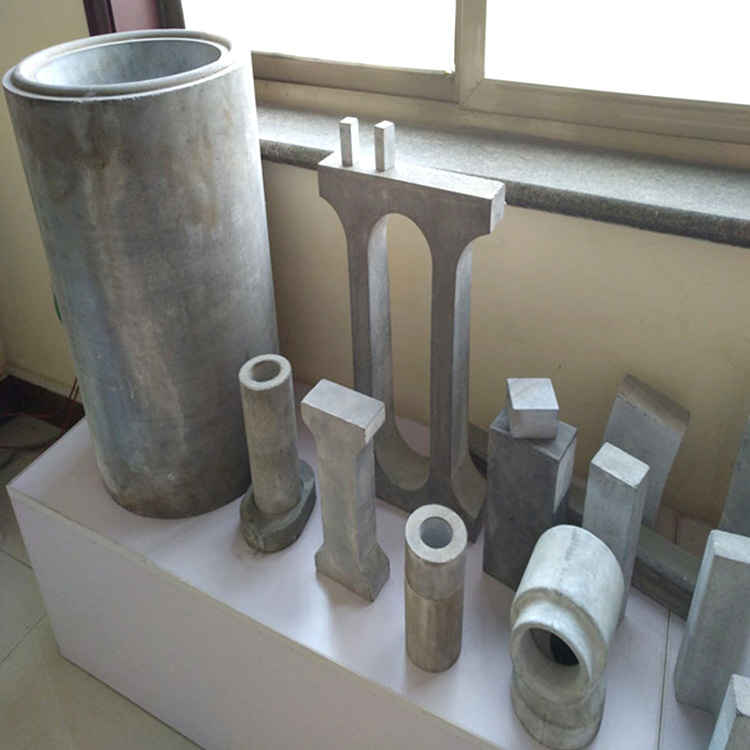
Laboratory test reports confirm the superior performance of silicon nitride - bonded silicon carbide bricks. These reports show that in high - temperature and corrosive environments, these bricks have a much longer service life compared to ordinary refractory materials. Moreover, the company has exported 80% of its products overseas and has obtained certifications from multiple countries, which indicates the high level of international recognition. Many well - known international enterprises, such as [list some well - known companies], have been using these bricks in their ceramic kilns, further validating their performance.
For ceramic industry practitioners who are currently in the process of selecting refractory materials for their kilns, the following factors should be considered. First, evaluate the specific requirements of your kiln, such as temperature range, chemical environment, and mechanical stress. Second, compare the performance data of different refractory materials, especially in terms of strength, thermal conductivity, thermal shock resistance, and corrosion resistance. Third, consider the experience and reputation of the material supplier. Our company has served more than ten international well - known enterprises and can provide customized solutions to meet your specific needs. If you are interested in learning more about silicon nitride - bonded silicon carbide bricks, you can click here to request more information or arrange a factory visit.

 407
|
407
|
 silicon nitride-bonded silicon carbide bricks
high-quality refractory materials
international recognition
client case studies
non-ferrous mining
metallurgical furnaces
ceramic industry
silicon nitride-bonded silicon carbide bricks
high-quality refractory materials
international recognition
client case studies
non-ferrous mining
metallurgical furnaces
ceramic industry
.jpg?x-oss-process=image/resize,h_600,m_lfit/format,webp) 233
|
silicon nitride-bonded silicon carbide bricks
high-performance refractories for non-ferrous metallurgy
erosion-resistant materials for metallurgical furnaces
233
|
silicon nitride-bonded silicon carbide bricks
high-performance refractories for non-ferrous metallurgy
erosion-resistant materials for metallurgical furnaces
.jpg?x-oss-process=image/resize,h_600,m_lfit/format,webp) 380
|
Silicon nitride-bonded silicon carbide bricks
application in European and American markets
high-quality refractory materials
international recognition
product performance advantages
380
|
Silicon nitride-bonded silicon carbide bricks
application in European and American markets
high-quality refractory materials
international recognition
product performance advantages
 463
|
ordinary magnesium-chromium bricks
high-temperature refractory materials
steel industry refractory bricks
thermal shock stability
slag resistance
463
|
ordinary magnesium-chromium bricks
high-temperature refractory materials
steel industry refractory bricks
thermal shock stability
slag resistance
 60
|
Common magnesia-chrome bricks
High-temperature refractory materials
Slag resistance
Thermal shock stability
Magnesia-chrome brick applications
60
|
Common magnesia-chrome bricks
High-temperature refractory materials
Slag resistance
Thermal shock stability
Magnesia-chrome brick applications


.jpg?x-oss-process=image/resize,m_fill,h_200,w_200/format,webp)