In an era where blast furnace operators are pushing wind temperatures to new heights—often exceeding 1300°C—traditional refractories are struggling to keep pace. This technical analysis explores how thermal conductive silica bricks are redefining durability and efficiency standards in modern ironmaking.
Modern blast furnace operations face an unprecedented challenge: increasing wind temperatures to improve energy efficiency and reduce carbon emissions, while maintaining refractory integrity. According to industry data, every 100°C increase in hot blast temperature can reduce coke consumption by 7-8 kg per ton of pig iron, significantly lowering production costs and environmental impact.
However, this pursuit of higher temperatures—now commonly reaching 1250-1350°C in advanced steel plants—has exposed critical limitations in conventional refractories. Traditional fireclay bricks typically fail within 2-3 years under these conditions, while high-alumina bricks, though more durable, often exhibit excessive creep rates above 1300°C, leading to structural instability and increased maintenance requirements.
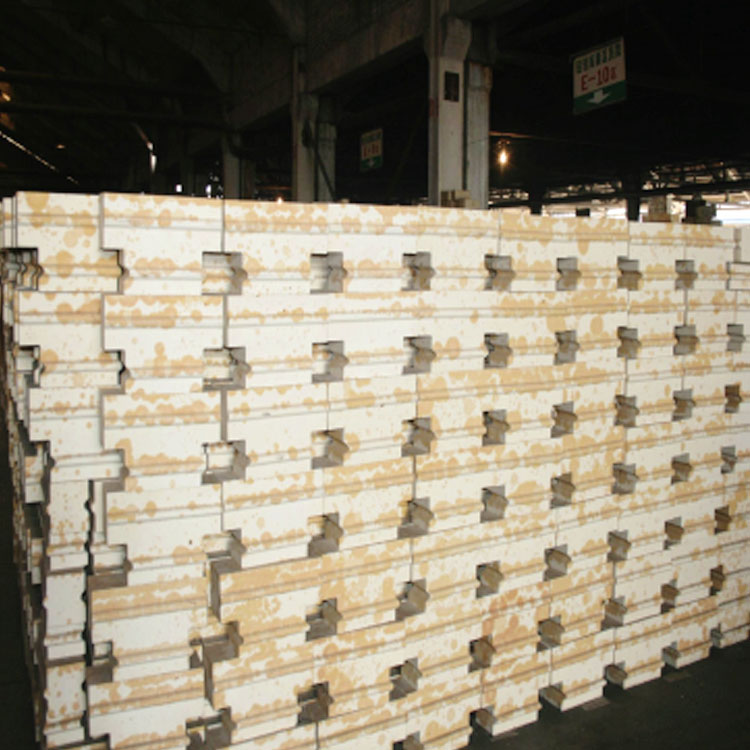
These properties translate to a material that not only withstands higher temperatures but conducts heat more efficiently, allowing for more uniform temperature distribution within the hot stove. This uniformity minimizes thermal gradients that cause refractory failure, while the low creep rate ensures the brick maintains its shape even under prolonged high-temperature conditions.
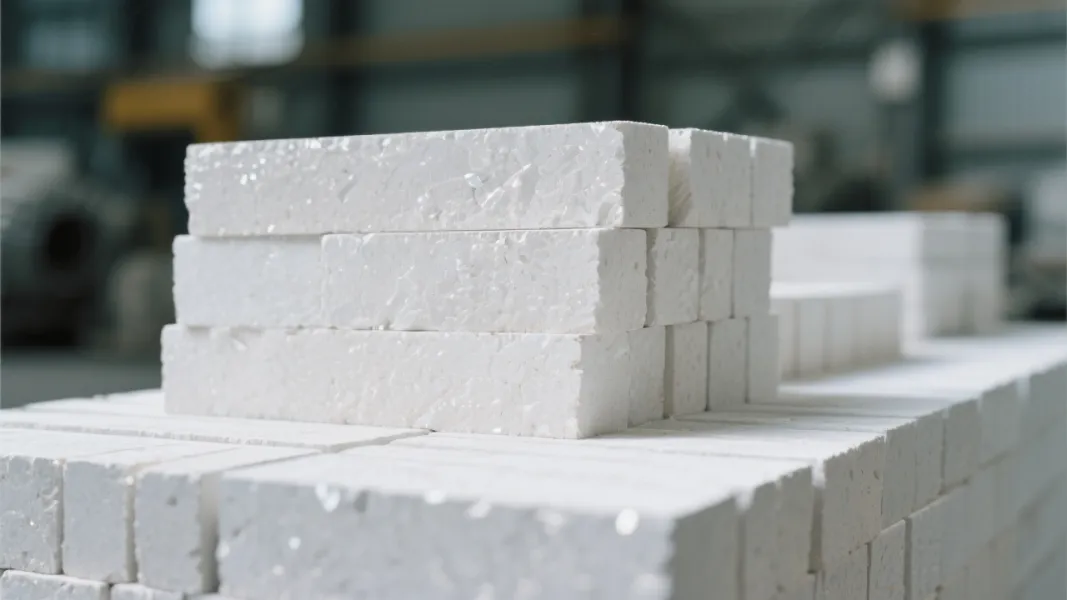
The secret behind Sunrise thermal conductive silica bricks lies in their unique microstructure. Engineered with optimized cristobalite content and controlled porosity, these bricks achieve the rare combination of high thermal conductivity and low thermal expansion. This advanced microstructure allows for:
Enhanced Heat Transfer
Improved thermal conductivity accelerates heat storage and release, increasing hot stove efficiency by 5-8%.
Reduced Thermal Stress
Controlled thermal expansion minimizes cracking during temperature cycling, a common failure point for traditional bricks.
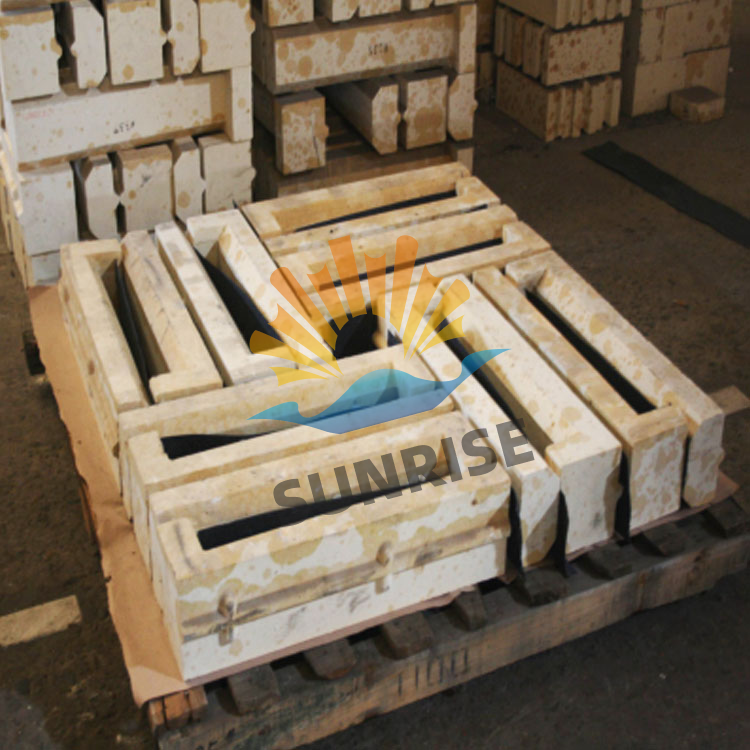
While the initial investment in thermal conductive silica bricks may be higher than conventional refractories, the total cost of ownership tells a different story. Let's examine the key economic indicators:
| Performance Metric | Traditional Fireclay Brick | High-Alumina Brick | Sunrise Thermal Conductive Silica Brick |
|---|---|---|---|
| Typical Service Life | 2-3 years | 3-4 years | 5-7 years |
| Maintenance Frequency | 2-3 times/year | 1-2 times/year | Once every 2-3 years |
| Hot Stove Efficiency | Base level | 5-7% improvement | 10-15% improvement |
| Lifecycle Cost (10-year period) | 100% (reference) | 85-90% | 60-65% |
Real-World Application: Case Study
A major Chinese steel producer upgraded three 3200m³ blast furnace hot stoves to Sunrise thermal conductive silica bricks in 2019. After three years of operation, the results were remarkable:
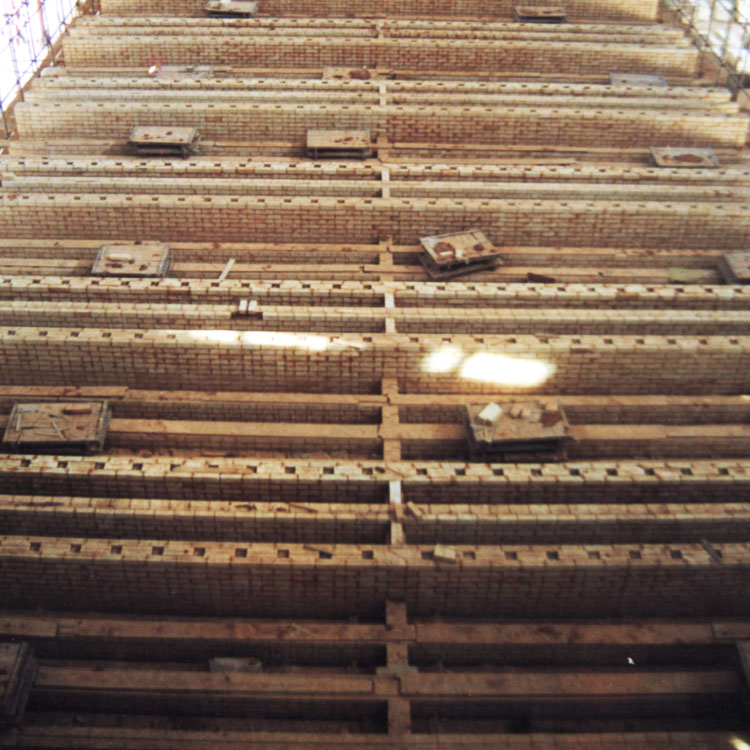
As steelmakers face increasing pressure to reduce carbon emissions and improve energy efficiency, the ability to operate at higher wind temperatures has become a critical competitive advantage. Thermal conductive silica bricks from Sunrise not only address current operational challenges but also provide a foundation for future process optimization.
Choosing thermal conductive silica bricks isn't just a materials upgrade—it's a strategic decision that reduces operational risk while enhancing your competitive position. With extended service life, reduced maintenance requirements, and improved energy efficiency, these advanced refractories deliver measurable bottom-line benefits while supporting your sustainability goals.
Download our comprehensive technical whitepaper: "Maximizing Blast Furnace Efficiency Through Refractory Innovation"
Get Your Free Whitepaper NowSteel producers worldwide are already reaping the benefits of this refractory technology. The question isn't whether to upgrade, but when. With each day of operation using outdated refractories, you're leaving potential savings and performance improvements on the table.
 113
|
113
|
 high thermal conductivity silica bricks
structural innovation
industrial thermal efficiency
energy saving
Sunrise refractories
high thermal conductivity silica bricks
structural innovation
industrial thermal efficiency
energy saving
Sunrise refractories
 31
|
Vermiculite insulation boards
Aluminum industry insulation materials
Aluminum cell energy saving
High - temperature insulation boards
Aluminum industry sustainable development
193
|
vermiculite insulation board
aluminum cell insulation
cryolite resistance
molten aluminum protection
energy-efficient refractory
31
|
Vermiculite insulation boards
Aluminum industry insulation materials
Aluminum cell energy saving
High - temperature insulation boards
Aluminum industry sustainable development
193
|
vermiculite insulation board
aluminum cell insulation
cryolite resistance
molten aluminum protection
energy-efficient refractory
 343
|
vermiculite insulation board
aluminum electrolysis cell protection
high-temperature insulation material
cryolite corrosion resistance
energy-saving insulation technology
343
|
vermiculite insulation board
aluminum electrolysis cell protection
high-temperature insulation material
cryolite corrosion resistance
energy-saving insulation technology
 173
|
vermiculite insulation panel
aluminum pot energy efficiency
industrial refractory insulation
high-temperature thermal management
aluminum electrolysis process optimization
173
|
vermiculite insulation panel
aluminum pot energy efficiency
industrial refractory insulation
high-temperature thermal management
aluminum electrolysis process optimization