In the realm of high-temperature industrial processes, few materials have revolutionized blast furnace efficiency like silica bricks. As steel manufacturers worldwide strive for higher productivity and lower energy consumption, the shift from traditional fireclay and high-alumina bricks to specialized silica refractories has become a strategic imperative. This transition isn't merely a material upgrade—it represents a fundamental advancement in thermal engineering that directly impacts operational costs and environmental performance.
"Modern blast furnaces operating with silica brick hot blast stoves typically achieve wind temperatures 150-200°C higher than those using conventional refractories, resulting in fuel savings of 8-12% per ton of pig iron produced."
At the core of silica brick performance lies its distinctive microstructure, dominated by flake-like quartz crystals that provide exceptional thermal properties. Unlike traditional refractory materials, Sunrise silica bricks undergo a carefully controlled firing process that transforms raw quartz into a stable cristobalite phase, capable of withstanding continuous temperatures up to 1700°C without structural degradation.
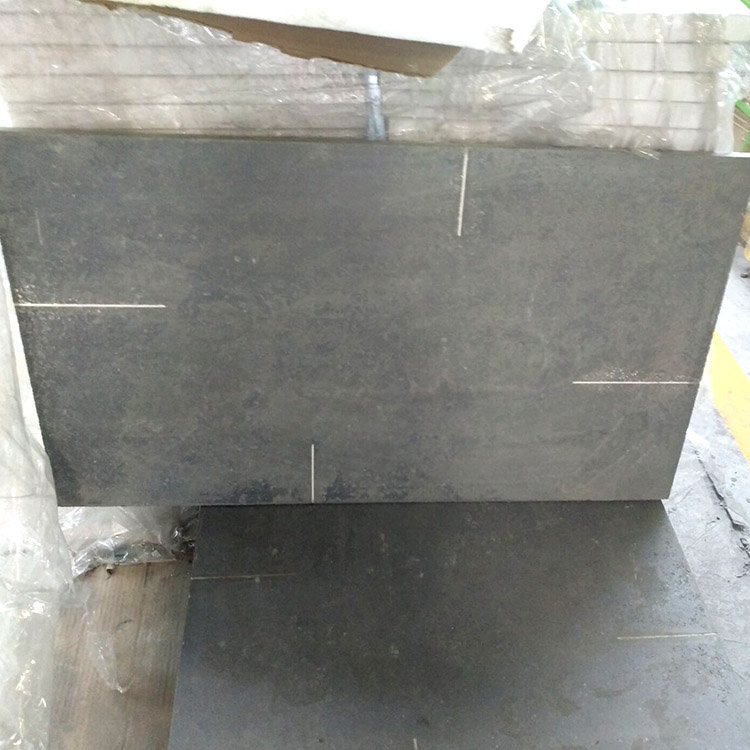
This unique crystalline structure contributes to two critical performance characteristics: superior thermal conductivity and minimal thermal expansion. With thermal conductivity values ranging from 1.2 to 1.8 W/m·K at operating temperatures, silica bricks efficiently transfer heat throughout the stove structure, ensuring uniform temperature distribution and maximizing heat recovery.
The operational benefits of silica bricks become most apparent when examining their performance under the extreme conditions of blast furnace hot blast stoves. Unlike conventional materials that degrade rapidly under thermal cycling, silica bricks maintain their structural integrity through thousands of heating and cooling cycles, significantly extending maintenance intervals.
| Refractory Type | Max Operating Temp (°C) | Thermal Conductivity (W/m·K) | Typical Service Life (Years) |
|---|---|---|---|
| Fireclay Bricks | 1300-1450 | 0.8-1.0 | 3-5 |
| High-Alumina Bricks | 1500-1600 | 1.0-1.2 | 5-7 |
| Sunrise Silica Bricks | 1650-1700 | 1.2-1.8 | 8-12 |
The thermal efficiency of silica bricks directly translates to substantial energy savings for steel producers. By enabling consistent hot blast temperatures exceeding 1200°C, Sunrise silica bricks reduce the fuel consumption required for blast furnace operations. Industry data shows that every 100°C increase in hot blast temperature correlates with approximately 7% lower coke consumption—a critical factor in both operational costs and environmental impact.
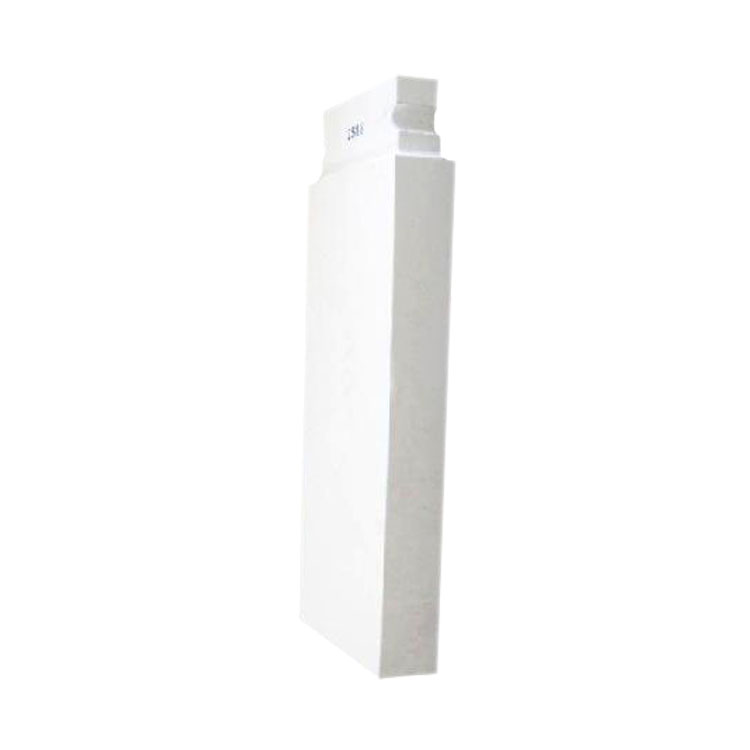
A recent case study at a major Chinese steel mill demonstrated the transformative impact of silica brick implementation. After retrofitting their hot blast stoves with Sunrise silica bricks, the facility achieved a 180°C increase in blast temperature, resulting in annual savings of 14,500 tons of coke and reducing CO₂ emissions by approximately 38,000 tons per year.
The adoption of silica bricks has become particularly prevalent in modern blast furnace designs, where operators are pushing the boundaries of temperature and productivity. In Europe, ArcelorMittal's Ghent facility implemented silica brick technology across all four of its hot blast stoves, achieving consistent wind temperatures of 1250°C and reducing maintenance costs by 35% over a five-year period.
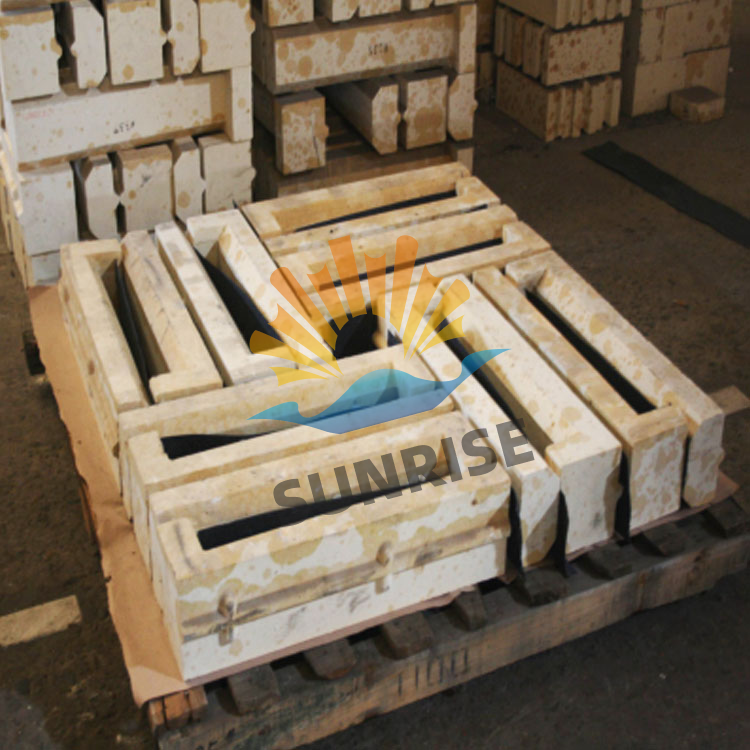
In Japan, Nippon Steel has reported similar success, with their Kimitsu works achieving a 9.3% reduction in specific fuel consumption after transitioning to high-performance silica bricks. These real-world applications validate the material's ability to deliver on its performance promises while providing measurable return on investment.
Discover how Sunrise silica bricks can elevate your operational efficiency, reduce energy consumption, and extend maintenance intervals.
Request Your Custom Silica Brick SolutionAs the global steel industry continues to evolve toward more sustainable practices, the role of advanced refractories like silica bricks becomes increasingly critical. By prioritizing material science and thermal efficiency, producers can achieve both environmental and economic goals, positioning themselves for long-term success in an increasingly competitive marketplace.

 100
|
100
|
 Vermiculite insulation boards
Energy saving in aluminum electrolysis cells
Insulation materials for aluminum industry
Heat loss control
Maintenance cost reduction
Vermiculite insulation boards
Energy saving in aluminum electrolysis cells
Insulation materials for aluminum industry
Heat loss control
Maintenance cost reduction
 320
|
vermiculite insulation panel
electrolytic aluminum cell corrosion
cryolite resistance
fluoride erosion protection
aluminum production energy saving
493
|
vermiculite insulation board
electrolytic aluminum cell corrosion resistance
high-temperature insulation materials
fluoride corrosion protection
aluminum industry energy saving
320
|
vermiculite insulation panel
electrolytic aluminum cell corrosion
cryolite resistance
fluoride erosion protection
aluminum production energy saving
493
|
vermiculite insulation board
electrolytic aluminum cell corrosion resistance
high-temperature insulation materials
fluoride corrosion protection
aluminum industry energy saving
 213
|
vermiculite insulation board
aluminum cell durability
electrolytic aluminum process
high-temperature insulation material
cryolite resistance
213
|
vermiculite insulation board
aluminum cell durability
electrolytic aluminum process
high-temperature insulation material
cryolite resistance
 77
|
silica bricks for coke ovens
high purity silica bricks
coke oven lifespan
refractory silica bricks
quartz refractory materials
77
|
silica bricks for coke ovens
high purity silica bricks
coke oven lifespan
refractory silica bricks
quartz refractory materials