Aluminum production is energy-intensive — a fact that’s no secret to plant managers or sustainability officers. In fact, electrolytic cells in aluminum smelting can consume over 13,000 kWh per ton of aluminum produced. That’s not just expensive — it’s unsustainable. But what if you could reduce that figure by 15% or more while also extending equipment life? Enter vermiculite insulation boards, the unsung hero of green transformation in the aluminum industry.
With global carbon regulations tightening and ESG reporting becoming mandatory for many multinational buyers, aluminum producers must act fast. According to the International Aluminium Institute (IAI), reducing thermal losses in electrolysis cells can cut CO₂ emissions by up to 8%. And vermiculite insulation isn’t just about compliance — it delivers real operational savings.
“Vermiculite-based insulation doesn't just keep heat in — it stabilizes temperatures, reduces thermal shock, and protects against corrosive chemicals like cryolite and fluorides.”
— Dr. Lena Müller, Materials Engineer at Fraunhofer Institute
One Chinese aluminum producer reported a 17% drop in energy consumption within six months of switching to vermiculite boards — translating into an annual saving of over $250,000 in power costs alone. Their maintenance team also saw a 40% reduction in unplanned shutdowns due to insulation damage.
The EU Green Deal and China’s “Dual Carbon” goals are pushing industries toward low-carbon technologies. For aluminum manufacturers, adopting advanced insulation isn’t just ethical — it’s strategic. It positions your facility as a leader in sustainable manufacturing, opening doors to premium contracts from eco-conscious clients worldwide.
In short: this isn’t just about saving electricity — it’s about building resilience, reducing risk, and future-proofing your operations.
Let every kilowatt-hour work harder for your bottom line — without compromising safety or longevity.
Explore Vermiculite Insulation Solutions
 194
|
194
|
 High-purity silica bricks for coke ovens
High-purity silica
Refractory materials
Coke oven maintenance
Silica brick performance
High-purity silica bricks for coke ovens
High-purity silica
Refractory materials
Coke oven maintenance
Silica brick performance
 43
|
Silicon nitride bonded silicon carbide bricks
Refractory material performance
High-temperature kiln refractory bricks
Metallurgical refractory materials
Thermal shock resistant refractory bricks
43
|
Silicon nitride bonded silicon carbide bricks
Refractory material performance
High-temperature kiln refractory bricks
Metallurgical refractory materials
Thermal shock resistant refractory bricks
 193
|
magnesia chrome brick
thermal shock resistance
slag resistant refractory
high temperature furnace lining
refractory brick applications
193
|
magnesia chrome brick
thermal shock resistance
slag resistant refractory
high temperature furnace lining
refractory brick applications
.jpg?x-oss-process=image/resize,h_600,m_lfit/format,webp) 438
|
silicon nitride-bonded silicon carbide bricks
high-quality refractory materials
product performance advantages
international recognition
market data
438
|
silicon nitride-bonded silicon carbide bricks
high-quality refractory materials
product performance advantages
international recognition
market data
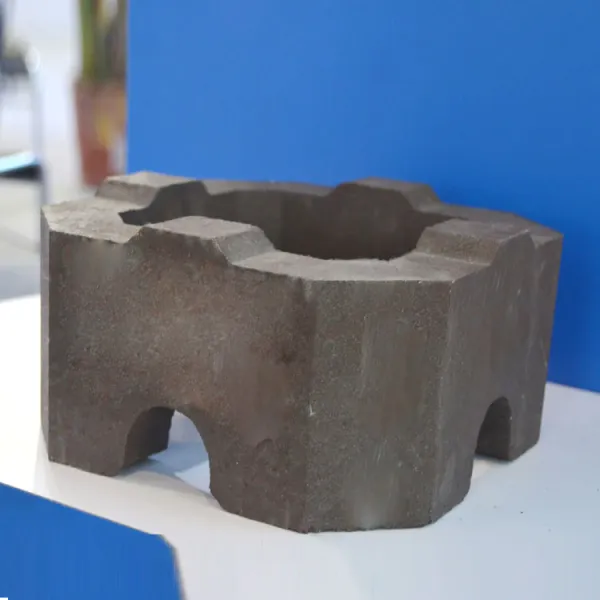 135
|
magnesia-chrome bricks performance
high-temperature refractory materials
industrial applications of magnesia bricks
135
|
magnesia-chrome bricks performance
high-temperature refractory materials
industrial applications of magnesia bricks


.jpg?x-oss-process=image/resize,m_fill,h_200,w_200/format,webp)


.jpg?x-oss-process=image/resize,m_fill,h_200,w_200/format,webp)